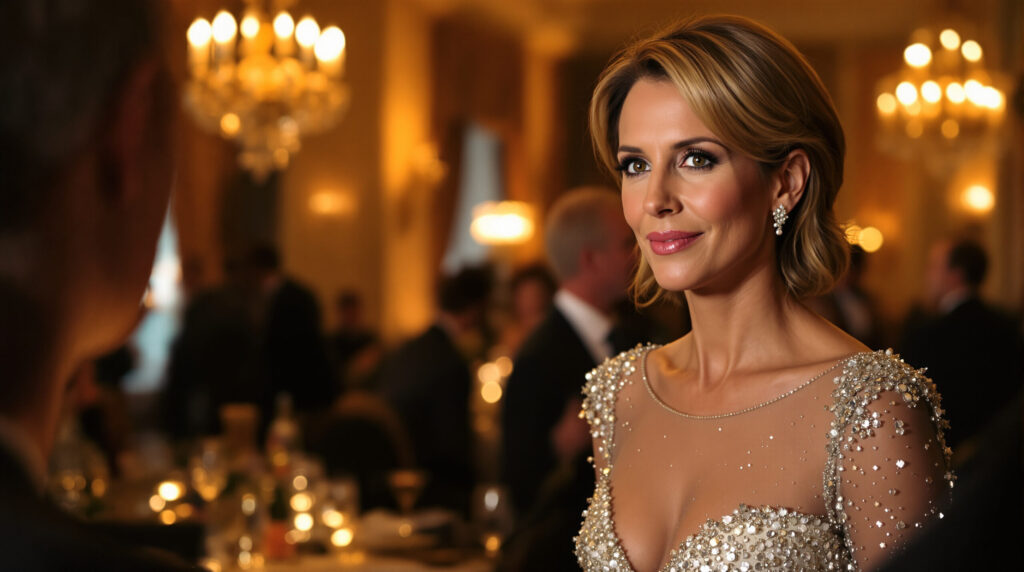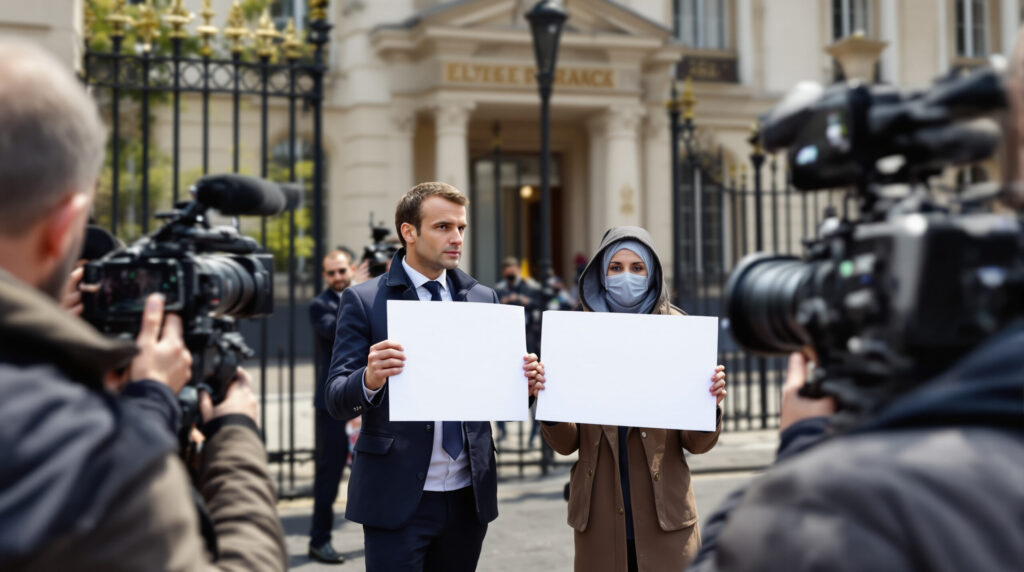
Brigitte Macron is expected at the Vatican on April 9 for an audience with Pope Leo XIV, and the invitation comes with a very strict dress code. From now on, everyone is scrutinizing the attire that the First Lady will have to adopt for this official event.
In brief: the Élysée confirms the visit on April 9 and 10, the protocol requires a black dress and a reserved attitude, and the veil is no longer required. The meeting follows the anniversary of the death of Pope Francis on April 21, 2025, and follows a trip to Asia.
Diplomatic context and schedule of the visit to the Vatican
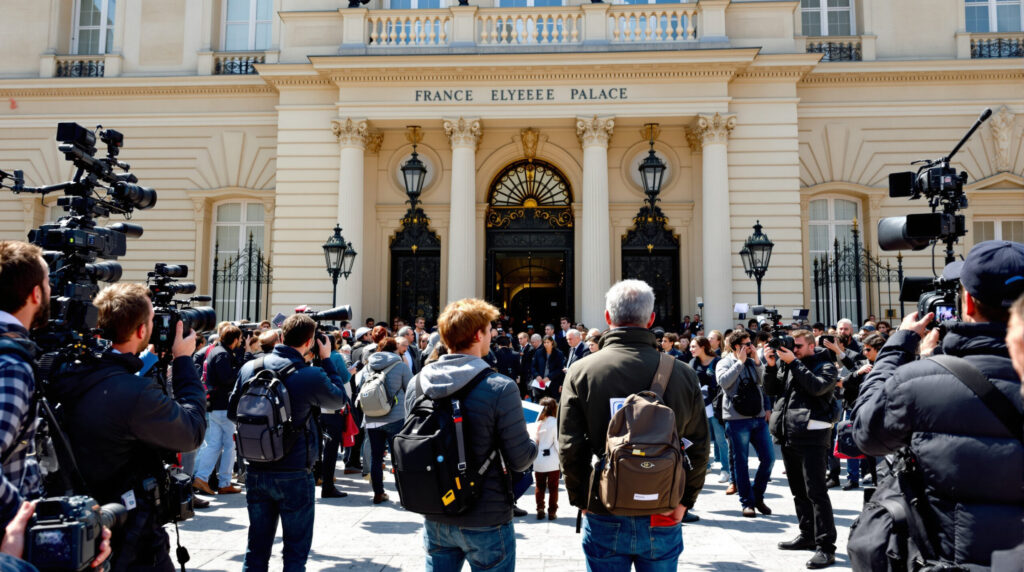
The trip of Emmanuel and Brigitte Macron comes right after an official visit to Japan and South Korea. The Élysée clarified that this audience, scheduled for April 9 and 10, aims to maintain a constant dialogue with the Vatican, particularly on international issues.
After a postponement in January due to “schedule incompatibility,” the holding of the visit confirms the desire to quickly resume bilateral exchanges. The trip announced by CNews highlights the importance of the diplomatic calendar.
The strict dress code rules imposed for the audience
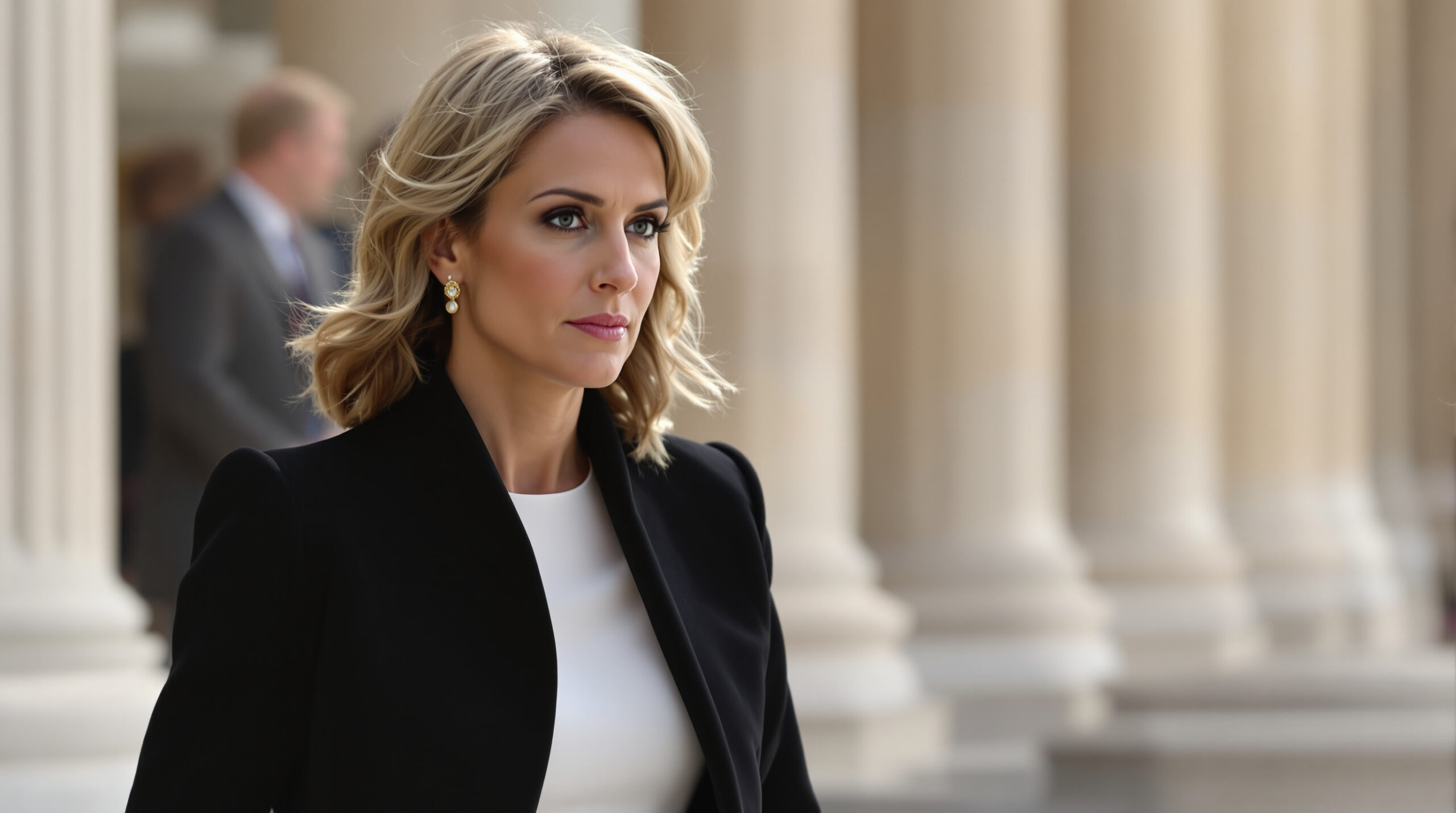
The protocol requires that the First Lady wears a black outfit as a sign of respect and humility: a dress below the knee, long sleeves, and a high neck are the reference. The traditional women’s veil, once common, is now considered outdated and is not required for this audience.
We remember the sober choices of Brigitte Macron during her previous visits to the Vatican, notably on October 24, 2022. For an overview of the reasons for the previous postponement, see the Gala article.
Etiquette, symbolism, and evolution of the protocol
The rule of the black dress is rooted in a long tradition of papal etiquette, aimed at displaying modesty and respect during a private audience. Historically, the mantilla symbolized piety, but the protocol has evolved to adapt to contemporary practices.
This clothing choice is also a diplomatic signal: sobriety rather than ostentation, which facilitates an exchange centered on political topics. Insight: the garment becomes a tool for non-verbal communication.
Diplomatic consequences and significance for the France–Holy See relationship
Beyond the invitation, this audience allows for addressing priority bilateral issues: climate, international conflicts, and cultural relations. The Élysée emphasized that the meeting is part of the desire to continue a sustained dialogue with the Vatican.
Rumors of a diplomatic chill that circulated after the January cancellation were denied by the presidency, which mentioned a priority on urgent issues. Conclusion: protocol respected, exchange resumed.
To learn more about Sébastien Auzière and the entourage of the Macron family, discover complete files and online archives at sebastien-auziere.fr, where the details of these meetings and their impact are analyzed.