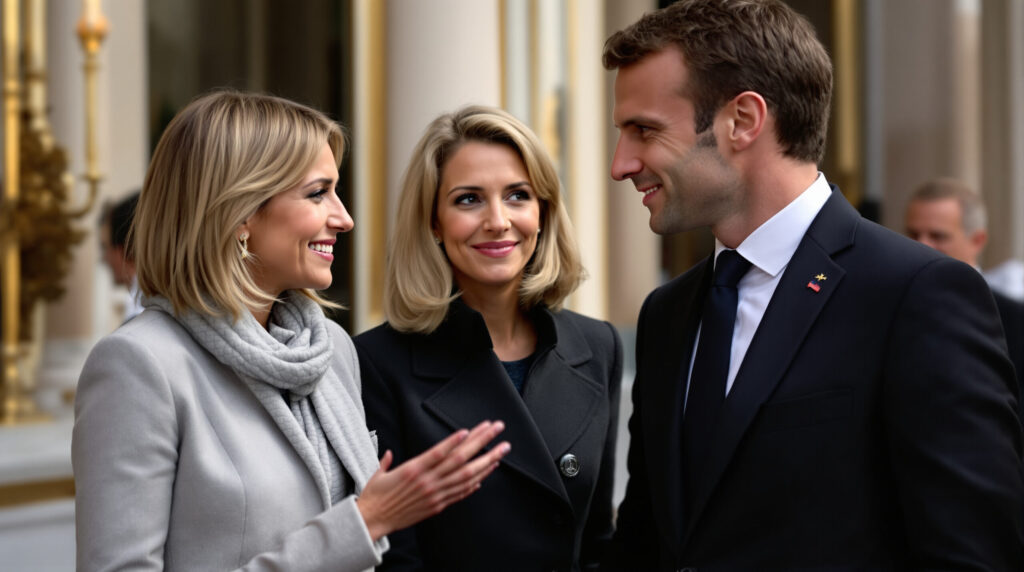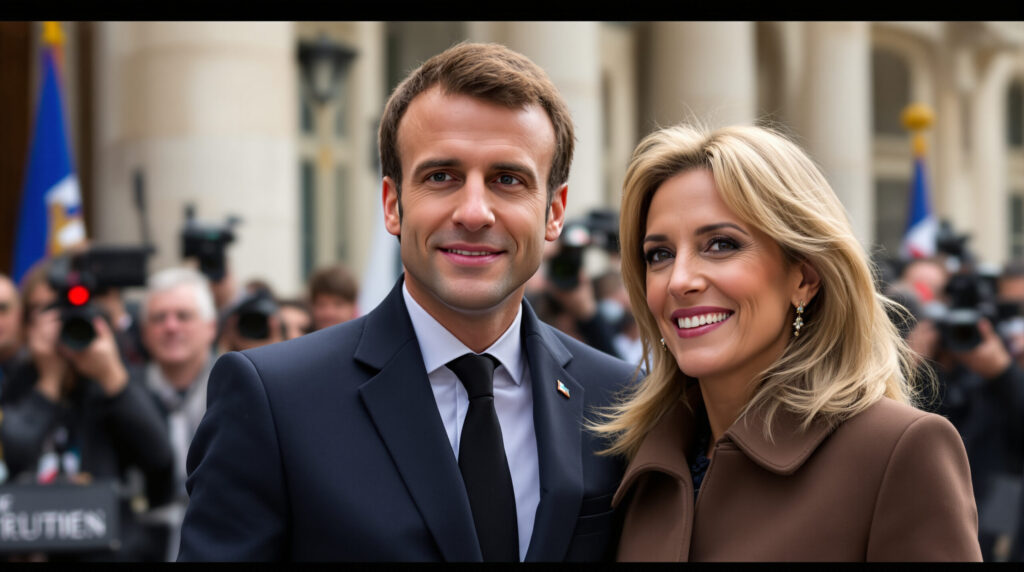
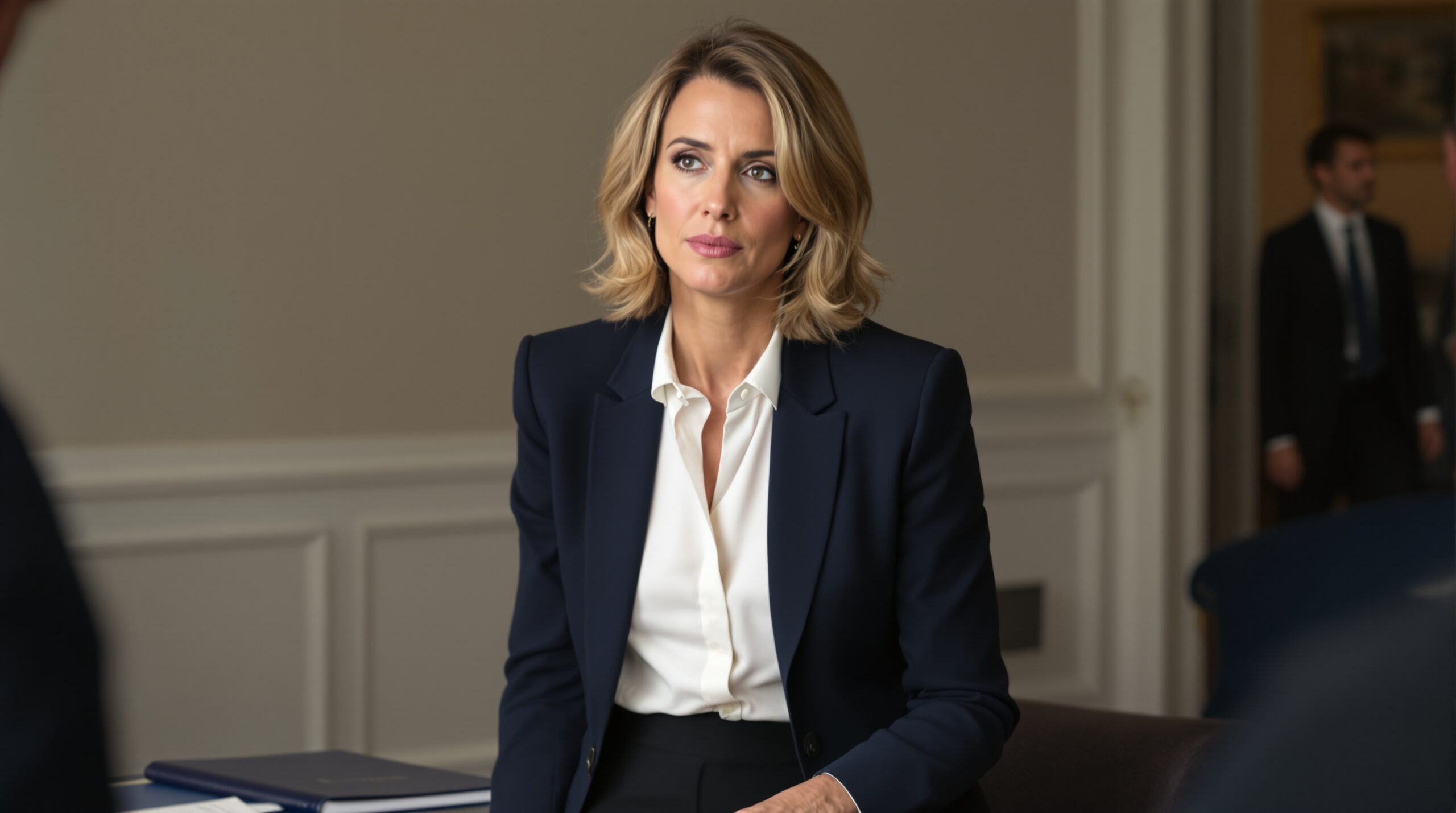
Brigitte Macron made a rare and poignant confession: “I am sometimes sad like I have never been before,” she stated on April 26, 2026 in La Tribune Dimanche. Here, you will discover how these words reveal the trials and the intimacy of a life lived under the spotlight of the Élysée.
In brief: the first lady, aged 73, has returned from a trip to Morocco with her daughter Tiphaine, chairs Live centers created by Bernard Arnault, keeps a secret journal to manage her emotions, and has established daily rituals (gym, cycling, walking) to cope with her difficulties.
The confession at the heart of the Élysée and its consequences
In this interview, Brigitte Macron explains that these nine to ten years at the Élysée have left marks: “I have seen the darkness of the world, stupidity, wickedness.” This observation, published on April 26, provides an unprecedented perspective on the psychological impact of official duties.
The precision of the date and the source reinforce the truthfulness of this confession, and show how public visibility can transform private life. It is a call to better understand the isolation of the role.
Harassment, rumors, and public reaction
Since 2017, Brigitte Macron has been the target of repeated attacks; Marlène Schiappa even called her the “most harassed woman in France.” The transphobic rumor from 2021 and its international resurgence have heightened media pressure.
She denounced the impact of hate and lies, particularly on young people, during an intervention on TF1’s news in 2024. To learn more about the media context, read the article on Gala.
The revelation of these attacks partly explains her public vulnerability and quest for protection.
Rituals, writing, and daily resilience
To preserve her mental health, Brigitte Macron has established rituals: gym, cycling, and an hour of walking each day. She also encourages writing, a practice she has passed on to the students of the Live centers, created with the support of Bernard Arnault.
These concrete gestures constitute a personal response to the difficulties and intense emotions experienced at the Élysée. The report from Le Monde details these initiatives and their scope.
What these confidences say about the future
In light of the prospect of leaving the Élysée in 2027, her words reflect on what’s next: a return to a more discreet life, but also a desire for social action. Her position remains marked by the search for support and resilience.
These confidences invite us to reassess how society protects the loved ones of public officials. Final insight: fame also demands human protective measures.
To learn more about the family dynamics and the journey of those surrounding the president, discover more about Sébastien Auzière and the Macron family and delve into the stories that illuminate these confidences.