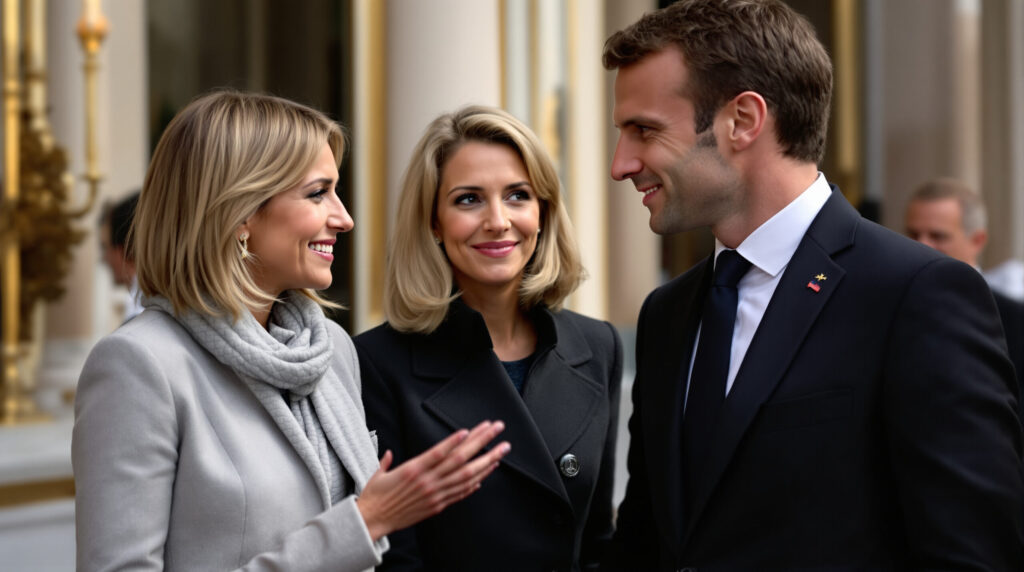
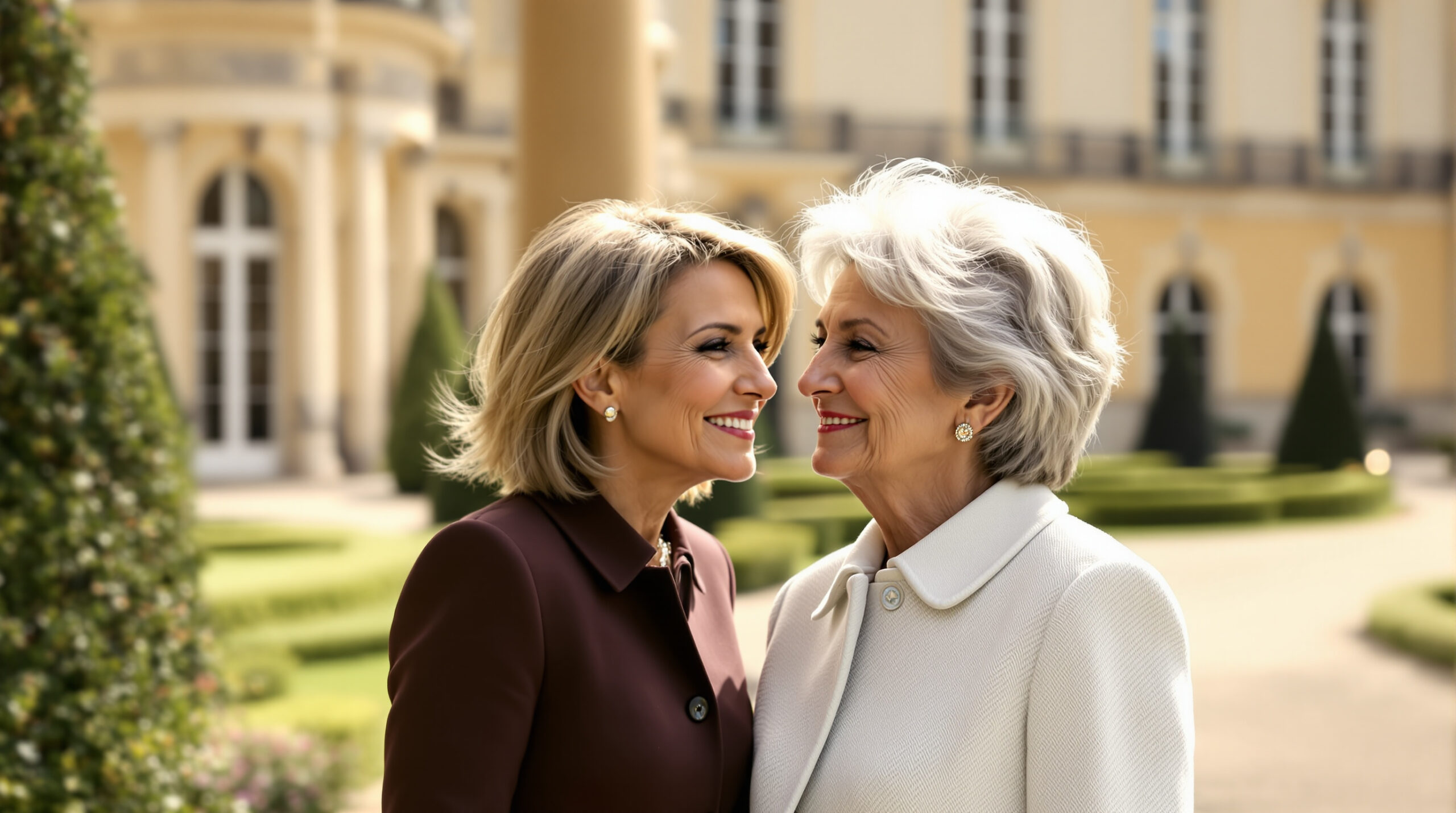
You will love this intimate dive behind the scenes of a family that fascinates France. The book Ils les ont tant aimées by Béatrix de L’Aulnoit, available on May 7, 2026 from Plon editions, reveals how Brigitte Macron and Françoise transformed family tensions into a more serene harmony.
In brief: the journalist highlights a long-standing family relationship marked by conflict—particularly linked to the age difference between Brigitte and Emmanuel—before evolving into a true calm and a form of reconciliation; testimonies and dated archives (2017, 1999, 2017-2026) document this journey at the heart of the family.
Beginnings marked by misunderstandings, documented by the press
The narrative relies on archives and interviews: Françoise Noguès, born in 1950, a doctor at Social Security, had already told Anne Fulda in 2017 “It’s certain that we didn’t do: Chic then!” while recalling her son’s romance. Béatrix de L’Aulnoit places these words in the context of a home in Amiens permanently marked by the separation of 1999. Insight: these words crystallized a discomfort and then, slowly, a de-escalation.
The turning point: easing tensions between mother-in-law and daughter-in-law
According to a close source cited in the book, the relationship between Brigitte Macron and Françoise has calmed over time. Béatrix de L’Aulnoit notes that, despite an initially tense relationship—linked to the age proximity—communication has improved: “they talk to each other as two intelligent people can do”. Insight: patience and time have allowed for a real relational evolution.
The public scene of May 14, 2017, at the Élysée, captured revealing family images, while private life retained its sensitive areas.
Persisting tensions with the patriarch and family nuances
Olivier Jardé, a former deputy, revealed that Emmanuel’s parents “never got over the marriage.” Meals in Amiens illustrate the complexity: Jean-Michel Macron sometimes has lunch with his son without Brigitte’s presence. This reality nuances the idea of total peace: a partial reconciliation rather than complete disappearance of the conflict. Insight: the family remains diverse in its alliances and distances.
Public appearances show a united front, but archives and testimonies remind us of the subtleties of private balances.
Toward lasting harmony: the role of relatives and time
The book emphasizes that the calm results from measured exchanges and discreet interventions from relatives, including children and stepchildren like Sébastien Auzière. The transformation is not spectacular but tangible: recovered conversations, shared visits, and respect for spaces. Insight: harmony is reborn when everyone accepts boundaries and renews dialogue.
To learn more about Sébastien Auzière and the dynamics of this family, discover files and archives at sebastien-auziere.fr and delve deeper into this story of reconciliation and calm within the family.