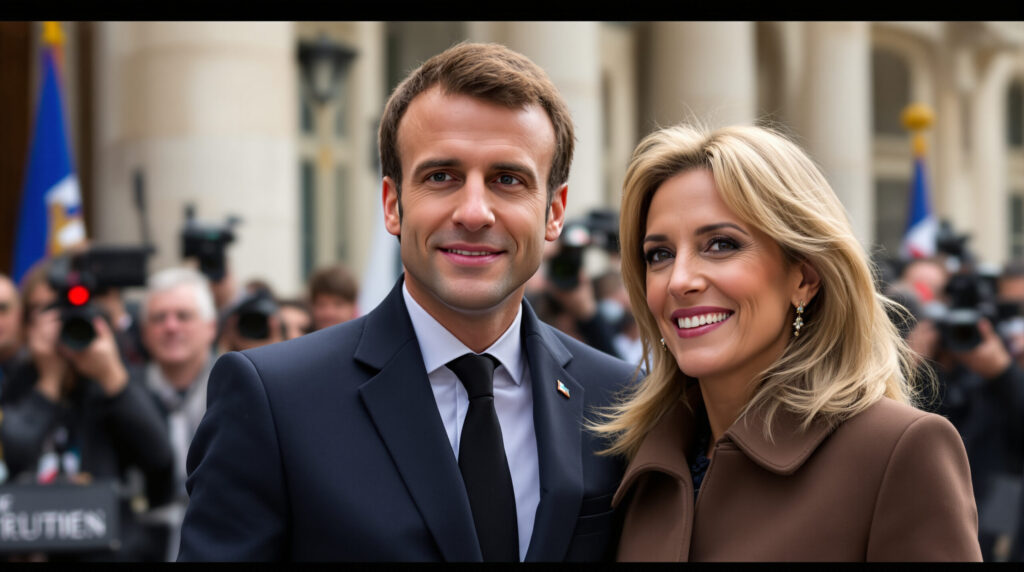
Brigitte Macron made a surprising confession in an interview published on April 26, 2026: she is going through unprecedented phases of pessimism, a state of mind that is surprising given how carefully calibrated her public image is. Here you will discover the actual events mentioned, testimonies, and what this reveals about her psychology after nearly ten years at the Élysée.
In brief: at 73, the former teacher reflects on a simpler life before, repeated attacks, and a daily discipline to cope. This revelation lends a human color to political news and highlights the line between public role and private life.
A confession that became public speech
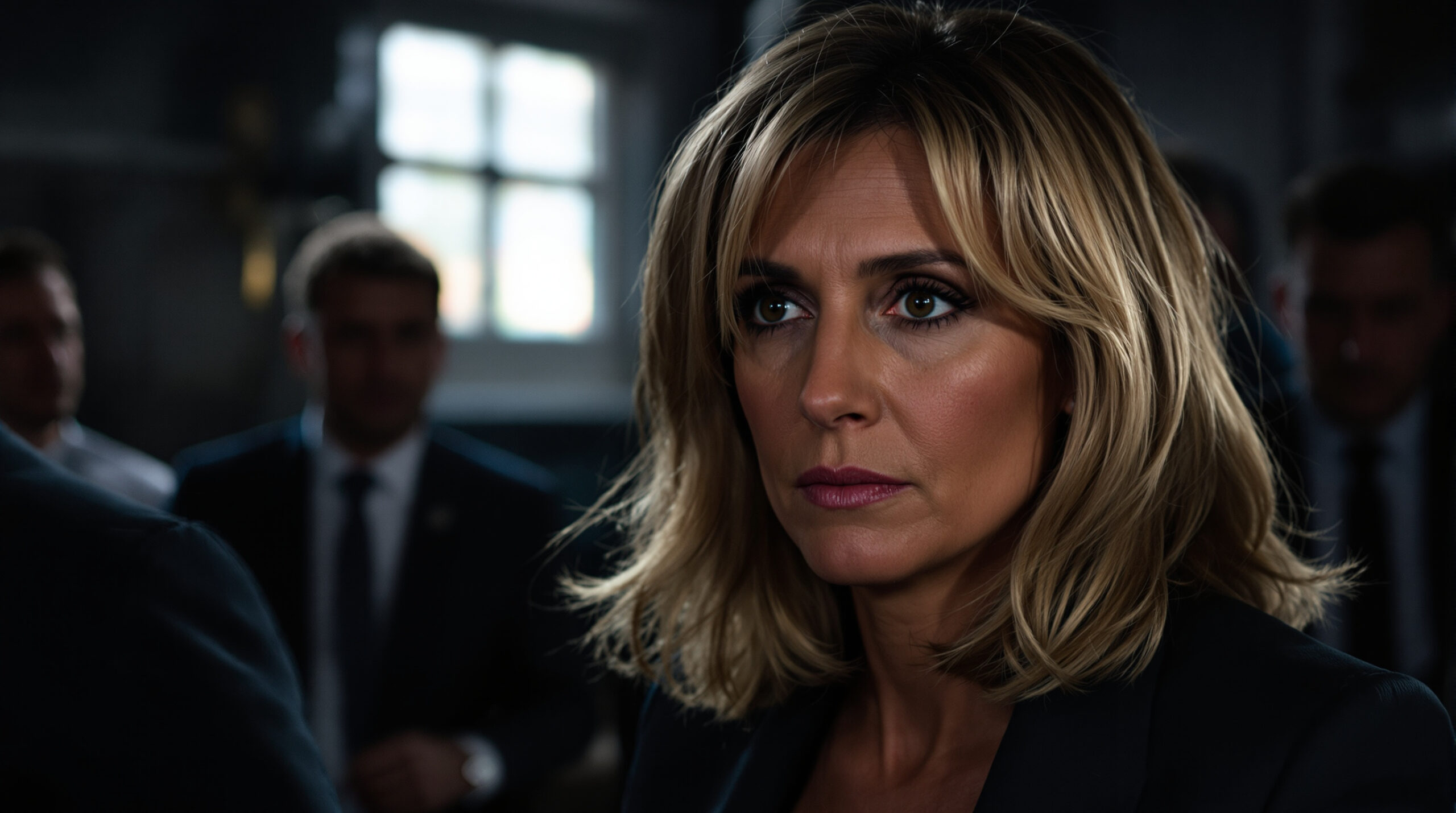
In the interview granted to La Tribune Dimanche, Brigitte Macron confides: “I sometimes find it difficult to see the blue sky,” and admits to having “moments of pessimism that I did not have before.” These words, spoken on April 26, 2026, hold their place from the very first lines of her confession and have been relayed by several national media, which corroborate the quote and the context. This unveiling is unprecedented for a First Lady who has always been very protected by protocol. Insight: private speech becomes public act.
The private life shaken by exposure
She evokes nostalgia for a “normal life”: children, teaching profession, ordinary ups and downs. Since Emmanuel Macron’s election in 2017 and his second term, the couple has seen their private sphere fade away. Mockery, defamation, and cyberbullying have weighed heavily: several authors were convicted in January, according to the press. These attacks partly explain the emotion contained in her testimony. Insight: fame turns wounds into public affairs.
The video sequence above includes excerpts from the interview and contextualizes the reported statements.
Routines and resistances to endure
To maintain balance, the First Lady has a strict routine: morning gym, an hour of walking, and cycling around La Lanterne. Close friends like Hélène Arnault note a regained strength but a lost naïveté. Sibeth Ndiaye recalls that Brigitte “was already a disturbance” at the beginning and endured violent sexism. These physical habits are presented as states of resistance against discouragement. Insight: the daily gesture becomes silent therapy.
The video provides a broader framing of her life at the palace and the testimonies of friends and former collaborators.
What psychology reveals from this testimony
Publicly expressing her pessimism is also a strategy: admitting vulnerability de-dramatizes and humanizes. In the face of the darkness denounced — “stupidity, malice” — the psychology of the role shifts, transforming a status into a permanent exposure. This revelation places current events within a reflection on resilience and the protection of public figures. Insight: confiding one’s discomfort becomes a political act.
To learn more about Brigitte Macron, her background, and the family ties surrounding the Élysée, check out the detailed analyses on the files dedicated to Brigitte and the press releases, especially the articles that covered the interview.